

Global take on environment and climate news
Provided by AGP
Security Guard Company Elevates Safety in LA County Healthcare & Retail
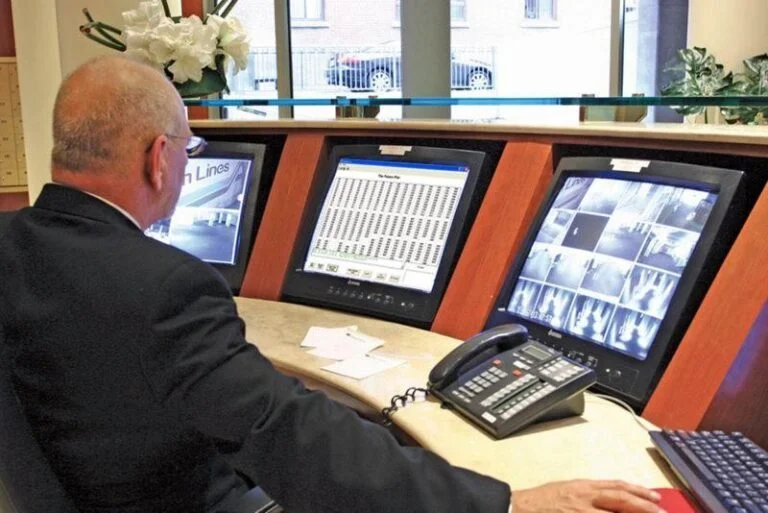
Medical-Facilities Security Guards
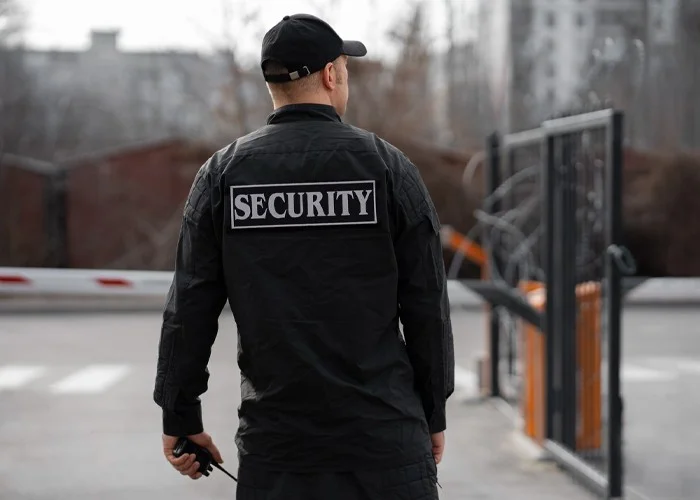
security guard company Los Angeles County ca
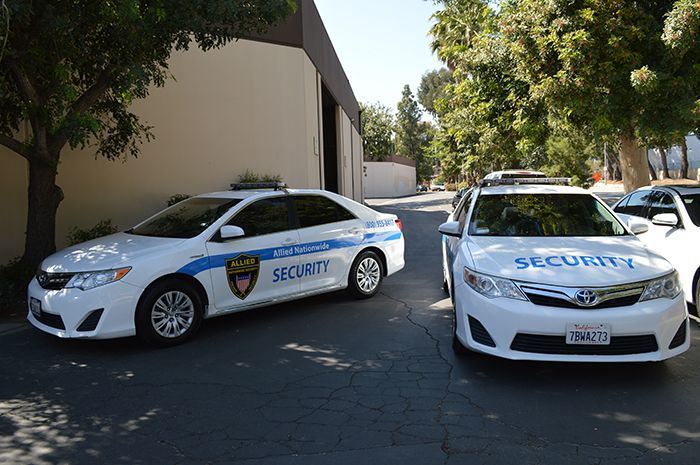
Shopping Center Patrol Guards
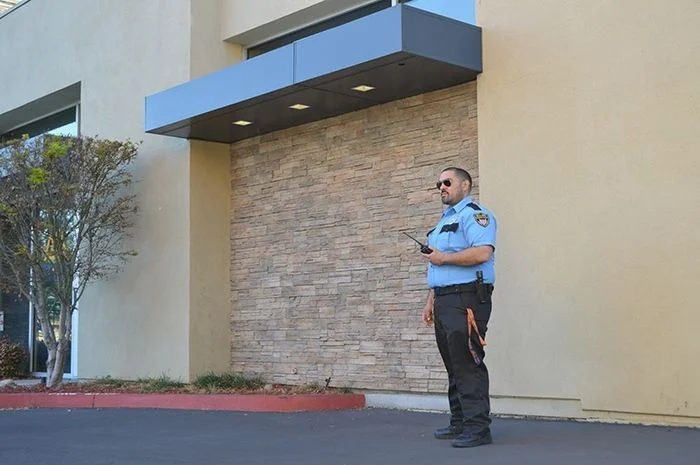
Shopping Center Security Consultants
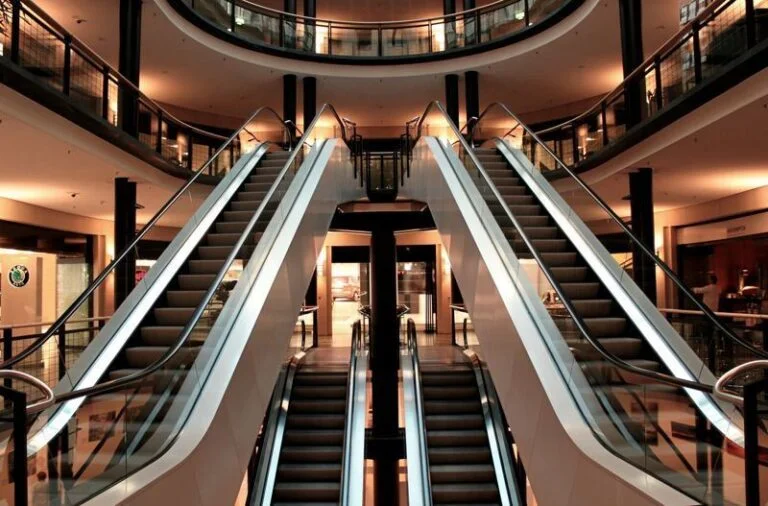
Shopping -Center Security Guards
As retail and healthcare demands grow, security guard companies in Los Angeles County adapt with advanced safety solutions and responsive protection services.
LOS ANGELES, CA, UNITED STATES, May 15, 2026 /EINPresswire.com/ -- A security guard company in Los Angeles County, CA plays an important role in protecting both retail and healthcare environments as safety needs continue to grow. In retail spaces, security personnel help maintain order, monitor suspicious activity, support emergency responses, and ensure safety protocols are followed in busy public areas. They also use surveillance systems and communication tools to improve overall security operations. In healthcare facilities, security requires a more controlled and professional approach. Guards manage access points, monitor restricted areas, protect patient privacy, and respond calmly to emergencies while coordinating with medical staff. Both sectors demand security teams that can adapt to different environments and operational challenges. As retail centers and healthcare facilities become more complex, professional security services remain essential for maintaining safety, compliance, and smooth daily operations while addressing the unique needs of each setting.Growing Demand for Structured Security Services
Los Angeles County remains one of the most densely populated and commercially active regions in California, with a wide range of urban, suburban, and mixed-use developments contributing to its dynamic environment. Retail centers, from large shopping malls to smaller neighborhood complexes, attract significant daily foot traffic. Similarly, healthcare institutions such as hospitals, urgent care centers, and specialized clinics operate շուրջ the clock, accommodating patients, staff, and visitors with varying needs. This constant movement of people creates complex environments where maintaining order and safety becomes an ongoing operational priority.
The diversity of visitor profiles further adds to the complexity. Retail locations may serve local residents, tourists, and employees, each interacting differently within the space. Healthcare facilities, on the other hand, often deal with patients in vulnerable conditions, family members under stress, and medical personnel working in high-pressure situations. These varying dynamics introduce a range of potential risks, including unauthorized access, theft, disturbances, and emergency incidents. As a result, both sectors require carefully planned and consistently implemented security measures.
These factors contribute to a growing demand for structured and professionally managed security services. Rather than relying on ad hoc arrangements, many organizations are turning to comprehensive security frameworks that emphasize prevention, monitoring, and coordinated response. A security guard company in Los Angeles County, CA typically plays a central role in this process by offering trained personnel and standardized procedures tailored to different operational settings.
Security for Shopping Complexes
Retail environments, including malls and shopping centers, require consistent monitoring and well-organized response systems to address the challenges associated with high foot traffic and diverse public interactions. Security for shopping complexes often involves a structured approach that combines visible patrols, surveillance coordination, and detailed incident reporting to maintain order and support daily operations.
Security personnel assigned to retail locations are typically responsible for overseeing entry and exit points to help manage crowd flow and reduce congestion during peak hours. This task becomes particularly important during weekends, holidays, and promotional events when visitor numbers increase significantly. By maintaining a visible presence, security staff can help guide visitors and ensure that movement within the premises remains smooth and controlled.
Routine patrols are another essential component of retail security. These patrols allow personnel to identify potential safety concerns such as unattended items, maintenance issues, or irregular behavior. Regular movement throughout the property also acts as a deterrent to activities that may disrupt the environment. In addition to safety monitoring, security staff often assist visitors with general inquiries, including directions, store locations, or lost and found cases, contributing to an organized and accessible setting.
Responding to disturbances or suspicious activities is a key responsibility. Security personnel are generally trained to assess situations, document incidents accurately, and take appropriate action based on established protocols. This may include de-escalating conflicts, notifying management, or contacting local law enforcement when required. Clear communication and adherence to procedures are essential in ensuring that incidents are handled effectively and within legal boundaries.
Coordination with local law enforcement agencies is also a critical aspect of retail security operations. In situations that require external intervention, security staff serve as the initial point of contact, providing relevant information and facilitating a timely response.
Operational Protocols in Retail Security
Security for shopping complexes is often guided by clearly defined operational protocols that help maintain consistency and accountability across daily activities. These protocols typically include detailed incident documentation, structured communication procedures, and clearly outlined escalation pathways. Incident documentation ensures that all events, whether minor disturbances or more serious situations, are recorded accurately for future reference and review. Communication procedures help security personnel coordinate effectively with team members, management, and, when necessary, local authorities. Escalation pathways define how and when situations should be reported to higher authorities or external agencies, ensuring that responses are timely and appropriate.
Guards assigned to retail environments are generally trained to observe and report rather than intervene physically, except in situations where action is required within the scope of their training and legal authority. This approach reduces the risk of unnecessary confrontation while allowing trained professionals to assess situations carefully and respond in a measured manner. It also supports a safer environment for both visitors and staff by prioritizing de-escalation and clear communication.
Technology plays a significant role in modern retail security operations, complementing the presence of on-site personnel. Surveillance systems, including closed-circuit cameras, are commonly used to monitor activity across various areas of a shopping complex. Access control mechanisms may be implemented in restricted zones such as storage areas or administrative offices to limit entry to authorized individuals.
Medical Facility Security Services
Healthcare environments present a distinct set of challenges that differ significantly from retail settings due to the nature of services provided and the population they serve. Medical facility security services are specifically structured to address the unique operational, ethical, and safety requirements of hospitals, clinics, rehabilitation centers, and specialized care units. These facilities operate around the clock and frequently deal with emergencies, making the presence of trained security personnel an essential component of overall facility management.
Security personnel in healthcare settings are tasked with controlling access to restricted areas such as operating rooms, intensive care units, laboratories, and medication storage zones. This involves verifying credentials, monitoring entry points, and ensuring that only authorized individuals are allowed access. Effective access control helps maintain patient safety, protect sensitive information, and support compliance with healthcare regulations.
Another key responsibility involves assisting with patient and visitor management. Healthcare facilities often receive a high volume of visitors, and security staff help maintain order by guiding individuals, enforcing visiting hours, and addressing any concerns that may arise. In situations involving distressed or disoriented individuals, security personnel are expected to respond calmly and appropriately, often working alongside medical staff to de-escalate tensions.
Responding to emergencies is also a critical aspect of medical facility security services. Security personnel may be among the first to react to incidents such as medical emergencies, fire alarms, or disturbances within the premises. Their role includes initiating emergency protocols, coordinating evacuations when necessary, and communicating with emergency responders to ensure a timely and organized response.
Regulatory and Compliance Considerations
Medical facility security services must operate within established legal and regulatory frameworks that are designed to protect patients, staff, and visitors while ensuring the smooth functioning of healthcare environments. These frameworks include patient privacy standards, workplace safety regulations, and local and state laws that govern how security personnel perform their duties. In healthcare settings, compliance is not optional but a fundamental requirement, as any lapse may affect patient trust, operational integrity, and legal standing.
One of the most critical aspects of these regulations is the protection of patient information. Security personnel are expected to follow strict confidentiality guidelines when handling sensitive situations. This includes being mindful of conversations, records, and access points where private information may be exposed. Even routine tasks such as monitoring entry points or verifying visitor credentials must be carried out with discretion. Maintaining confidentiality while managing access control is a key responsibility, requiring guards to balance security enforcement with respect for individual privacy.
Training programs are typically structured to help security personnel interpret and apply these regulations in real-time scenarios. This includes scenario-based learning, compliance briefings, and ongoing assessments to ensure that knowledge remains current. Guards must be able to make quick decisions that align with both legal requirements and facility policies, often in dynamic and unpredictable situations.
Coordination with medical staff and administrative teams is another essential component of effective security management. Security personnel do not operate in isolation but as part of a larger system that includes healthcare providers, facility managers, and support staff. Clear communication channels are necessary to ensure that information is shared appropriately and that responses are coordinated. For example, during an emergency, security teams may work alongside medical professionals to secure areas, guide individuals, and maintain order.
Security operations are often integrated into broader facility management systems to promote consistency and compliance. This integration allows for unified protocols, streamlined communication, and a coordinated approach to safety and security. By aligning their practices with regulatory requirements and institutional policies, medical facility security services contribute to a structured and compliant healthcare environment.
Training and Professional Standards
A security guard company in Los Angeles County, CA is generally expected to implement comprehensive and structured training programs for its personnel to ensure consistency, professionalism, and compliance with applicable regulations. These programs typically begin with foundational instruction in basic security procedures and legal guidelines. Personnel are introduced to the legal scope of their authority, including observation and reporting responsibilities, use of force limitations, and adherence to local and state laws. This foundational knowledge helps guards perform their duties within clearly defined boundaries.
Emergency response and first aid training are also essential components of these programs. Security personnel are often among the first to respond to incidents, making it important for them to understand how to act during medical emergencies, fire situations, or evacuation scenarios. Training may include CPR certification, basic first aid techniques, and familiarity with emergency equipment such as fire extinguishers and alarm systems. This preparation supports timely and appropriate responses in critical situations.
Conflict de-escalation techniques are another key area of focus. Security guards frequently encounter tense or potentially disruptive situations, particularly in high-traffic environments. Training in de-escalation emphasizes communication strategies, situational awareness, and non-physical intervention methods to reduce the likelihood of escalation. This approach is intended to maintain safety while minimizing unnecessary confrontation.
Coordination with Local Authorities
Both retail and healthcare security operations frequently involve coordination with local law enforcement and emergency services. Security personnel are often positioned on-site and may serve as the first point of contact during incidents, particularly in large shopping complexes or busy medical facilities where immediate response is essential. Their responsibilities typically begin with identifying and assessing the situation, whether it involves a medical emergency, a safety hazard, or a disturbance. Based on this initial assessment, security staff follow established procedures to notify the appropriate external agencies while maintaining order at the scene.
This coordination helps streamline response efforts by reducing confusion and ensuring that each party understands its role. Security personnel typically remain on-site to support external agencies, manage crowds, and secure affected areas. In retail environments, this might involve directing customers away from restricted zones, while in healthcare settings, it may include maintaining controlled access to sensitive areas to protect patient privacy and safety.
Adaptability Across Environments
One of the defining characteristics of a security guard company in Los Angeles County, CA is its ability to adapt services across different environments while maintaining a consistent standard of professionalism and accountability. This adaptability is particularly important in sectors such as retail and healthcare, where operational needs, risk factors, and public interaction levels vary significantly. Although both settings rely on structured security frameworks, the execution of these frameworks differs based on the nature of each environment.
Retail spaces, including shopping centers and commercial complexes, typically emphasize visibility and deterrence. Security personnel are often positioned in high-traffic areas to maintain a noticeable presence that can discourage theft, vandalism, or disruptive behavior. Routine patrols, monitoring of entrances and exits, and coordination with surveillance systems form the core of retail security operations. In addition, guards may assist with customer-related situations, such as providing directions or addressing minor concerns, which requires a balance between vigilance and approachability.
In contrast, healthcare facilities operate in a more sensitive and controlled environment. Medical facility security services prioritize access control, patient safety, and the protection of staff and visitors. Security personnel may be tasked with managing entry points, verifying credentials, and ensuring that restricted areas remain secure. The nature of healthcare settings also requires a higher level of discretion and awareness, as guards often encounter individuals in vulnerable or emotionally charged situations. This makes communication skills and the ability to de-escalate conflicts particularly important.
Industry Trends and Evolving Practices
The security industry continues to evolve in response to changing conditions that affect both operational environments and public safety expectations. Advancements in technology, updates in regulatory frameworks, and shifting societal needs all play a role in shaping how security services are structured and delivered. As risks become more varied and sometimes less predictable, security providers are required to adopt more adaptive and informed approaches. This includes aligning their practices with current laws, maintaining awareness of emerging threats, and ensuring that personnel are equipped with the knowledge necessary to respond effectively in different scenarios.
In retail environments, there is an increasing reliance on integrated security systems that combine human oversight with digital tools. Surveillance technologies such as high-definition cameras, motion detection systems, and centralized monitoring platforms are commonly used to enhance situational awareness. These systems allow security personnel to monitor large areas more efficiently and respond to incidents with greater accuracy.
In healthcare settings, the focus has shifted toward specialized training that addresses the unique challenges of medical environments. Security personnel are often required to interact with patients, visitors, and staff in situations that may involve stress, urgency, or emotional sensitivity.
About Allied Nationwide Security
Allied Nationwide Security is a security guard company based in Southern California. The organization provides unarmed and armed security guard officers to a range of clients, including commercial, industrial, and residential properties. According to information provided by the organization, employees are required to complete training programs and background checks as part of their onboarding process.
The company states that it works with clients to develop security plans tailored to specific needs and conducts follow-up evaluations to monitor service delivery. It also indicates that its services are available to clients of varying sizes.
Allied Nationwide Security reports that it operates in multiple counties, including Los Angeles County, Orange County, Riverside County, Ventura County, and San Bernardino County.
A J Nomair
Allied Nationwide Security
+1 800-955-8417
contact@alliednationwide.com
Visit us on social media:
Facebook
YouTube
Best Security Guard Company In Southern California | Allied Nationwide
Legal Disclaimer:
EIN Presswire provides this news content "as is" without warranty of any kind. We do not accept any responsibility or liability for the accuracy, content, images, videos, licenses, completeness, legality, or reliability of the information contained in this article. If you have any complaints or copyright issues related to this article, kindly contact the author above.
